RetroArch is a frontend for emulators, game engines and media players.
Among other things, it enables you to run classic games on a wide range of computers and consoles through its slick graphical interface. Settings are also unified so configuration is done once and for all.
In addition to this, you are able to run original game discs (CDs) from RetroArch.
RetroArch has advanced features like shaders, netplay, rewinding, next-frame response times, runahead, machine translation, blind accessibility features, and more!
RetroArch/Libretro is an open-source project and has been around since 2012. It has since served as the backend technology to tons of (unaffiliated) platforms and programs around the world.
Get RetroArch Try RetroArch Online
On delivery day, the editor opened the prototype with a slow smile. “The songs must read like they’re sung,” he said, running a finger across the page printed in Gopika. “And the proverbs must hit like drumbeats,” he added, pointing to Vahini. They chose to pair the fonts deliberately: Gopika for the song texts and marginal notes, Vahini for chapter headers, sidebars, and transcriptions.
The other idea was a different kind of tribute: a typeface for the market square. It would be assertive and clear, with strong verticals that stood like traders, and terse horizontals that cut like the edge of a trader’s stall canopy. This font would suit proverbs, bold headings, and the lively exclamations of festivals. Its serifs would be short but decisive, and the counters would be open enough to survive printing on coarse paper. She sketched; the strokes snapped into place. It demanded a name with roots: Vahini, after the flowing energy of the market and the people who keep it alive.
First was a tender idea: a font that whispered. It would curve like the river, with soft terminals that swooped like the tails of saris. This font, she thought, would suit lullabies and love poems; it should feel warm, personal, as if written by a grandmother’s steady hand. She sketched letters on scrap paper, pausing to hum lines of a bhajan as she worked. The letterforms seemed to breathe under her pencil: rounded bowls, gentle diagonals, an elegant headline stroke. She named this new design Gopika — after herself, as if the font were a small, handwritten version of her own voice. bhasha bharti gopika two gujarati fonts
Years later, Gopika was a designer in Ahmedabad, working for a small cultural start-up that published Gujarati books and posters. Her workspace was a narrow room above a tea shop, with a desk cluttered by ink pots, paper samples, and a cracked mug that once held hibiscus tea. On the wall above her desk hung two framed sheets: one printed in a delicate, flowing Gujarati typeface she called Nirmala, and the other in a bold, geometric face she named Vahini. They were gifts from a late teacher who had told her, “Fonts are not mere shapes. They are personalities.”
Digitizing, she adjusted a few glyphs, adding small pauses and accents that matched the old pen flourishes. When she returned the scanned letters on a tiny USB, the woman pressed her hands together and said, “Now even my grandchildren will hear our voices.” Gopika felt a sudden kinship with the generations she had helped bridge. On delivery day, the editor opened the prototype
After the launch, villagers and scholars wrote in praise. A teacher from Rajkot sent a note: “Your fonts make the language younger,” she wrote. A printer called to say how well Vahini printed on recycled paper. The acclaim warmed Gopika, but what mattered most were the stories that returned to her — a grandmother who used the book to teach her grandson to read, a youth collective that pasted pages from the anthology on a community wall as an art project.
Years later, Gopika walked through the morning market and noticed banners, posters, and booklets where her fonts had quietly taken root. A festival poster using Vahini called the town to dance; a neighborhood school’s poetry wall was printed in Gopika. She paused beneath a mango tree and watched a group of kids exchange rhymes, their voices ricocheting off alleyways, as letters on a nearby shop sign marched in her fonts. They chose to pair the fonts deliberately: Gopika
One rainy evening, an old woman came to Gopika’s studio with a stack of letters tied with a red thread. They were family letters from decades ago, written in home-made scripts that blended personal stroke and local habit. The woman asked if Gopika could digitize them so they could be preserved. Gopika agreed, and as she traced each curve she realized that the two fonts she’d created already lived in those letters — Gopika in the soft domestic notes, Vahini in the clearer, formal entries.
RetroArch is available for download on a wide variety of app store platforms.
NOTE: Functionality can sometimes be different from that of the version available for download on our website. We sometimes have to conform to certain restrictions and standards that the app store platform provider imposes on us.







RetroArch/Libretro has over 200 cores, and the list keeps expanding over time. These include game engines, games, multimedia programs and emulators.
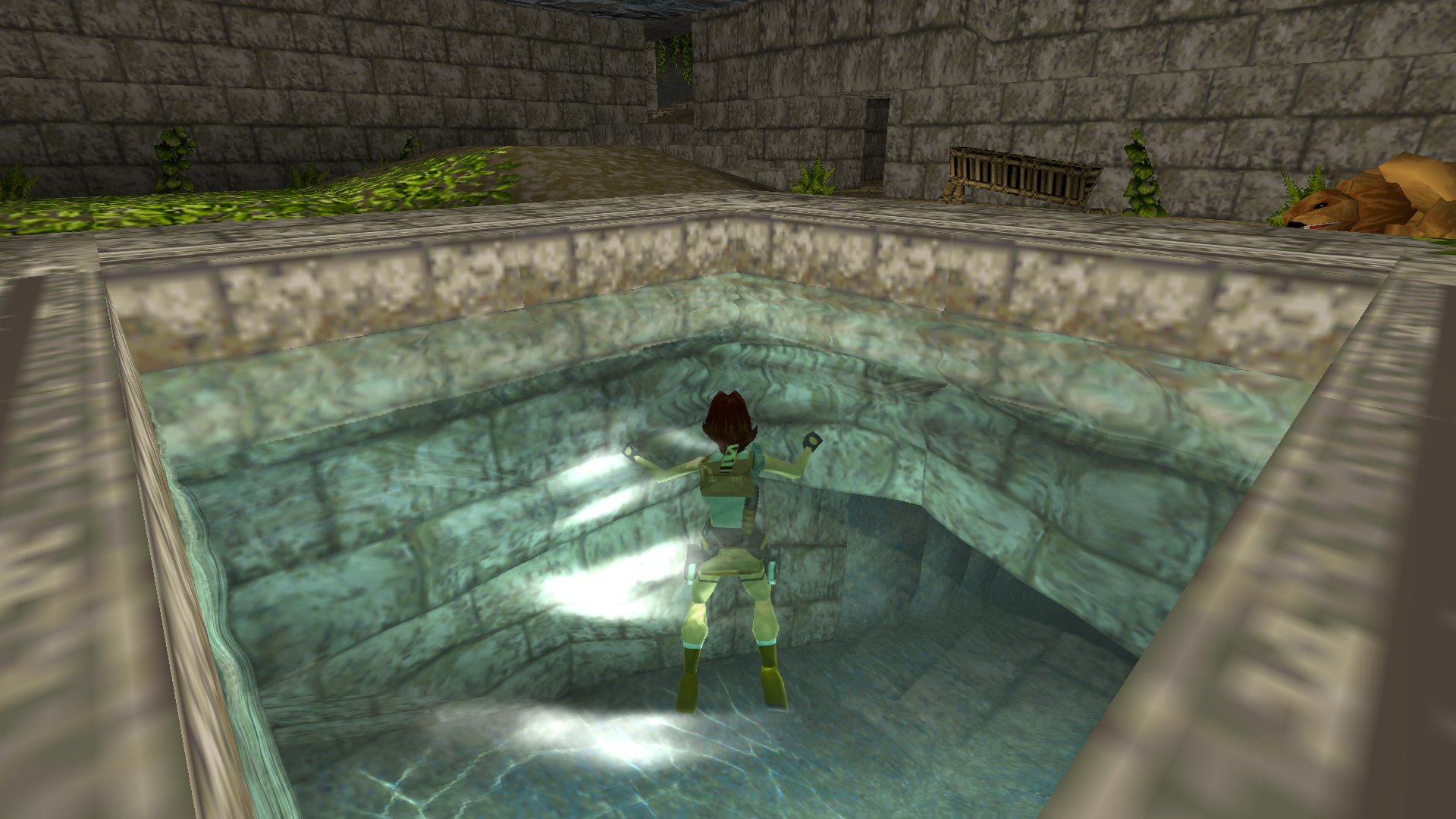
OpenLara is an early Tomb Raider game engine recreation.
Core available now for Windows/Linux.
For more information, read our article on this release here.
It uses the original data files in order to work. What is nice about this one is that it has some very fancy graphics effects added on top of the old game engine without it resulting in any stylistic clashes.
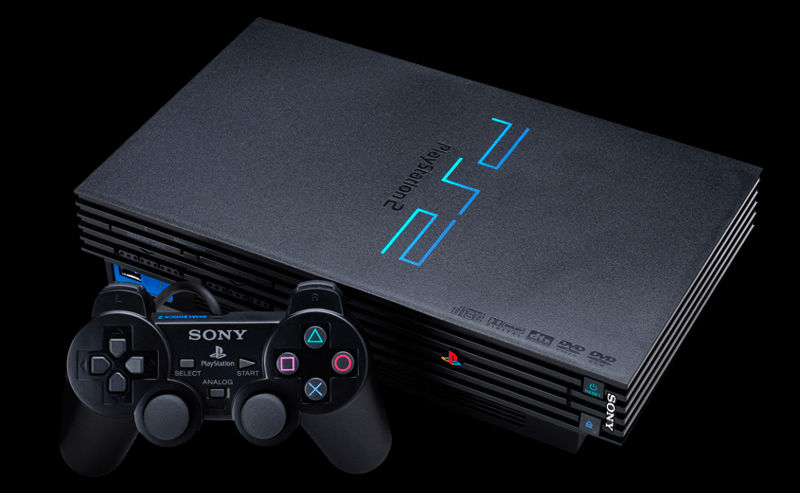
LRPS2 is a PlayStation2 emulator. It has a brand-new Vulkan-powered LLE renderer called ParaLLEl GS.
ParaLLEl-GS' goal is to be as accurate as software rendering but using the GPU instead of the CPU. Thanks to this we can also do enhancements which would be too slow to do on software, such as supersampled antialiasing and other enhancements.
For more information, read our article on this release here.
DOSBox Pure is an easy-to-use plug and play version of DOSBox written specifically for Libretro/RetroArch. It supports MS-DOS and Windows 9x games. You can use savestates and even rewind. Automatic game detection with custom gamepad to keyboard mapping for many DOS games.
For more information, read our article on this release here.
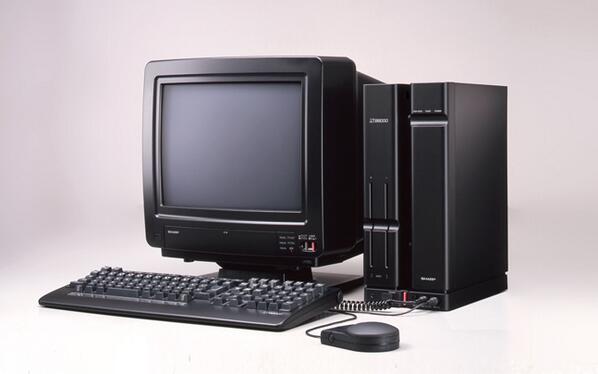
PX-68K is a Sharp X68000 emulator. This is a Japanese home computer from the late '80s/early '90s that was used by Capcom as devkits for their arcade games. It played host to many popular games from the likes of Namco, Konami and Capcom.
Core available now for Windows, macOS, Linux, Android and iOS.
For more information, read our article on this release here.

RetroArch has been first to market with many innovative features, some of which have became industry standard. Because of its dynamic nature as a rapidly evolving open source project, it continues adding new features on an annual basis.
On delivery day, the editor opened the prototype with a slow smile. “The songs must read like they’re sung,” he said, running a finger across the page printed in Gopika. “And the proverbs must hit like drumbeats,” he added, pointing to Vahini. They chose to pair the fonts deliberately: Gopika for the song texts and marginal notes, Vahini for chapter headers, sidebars, and transcriptions.
The other idea was a different kind of tribute: a typeface for the market square. It would be assertive and clear, with strong verticals that stood like traders, and terse horizontals that cut like the edge of a trader’s stall canopy. This font would suit proverbs, bold headings, and the lively exclamations of festivals. Its serifs would be short but decisive, and the counters would be open enough to survive printing on coarse paper. She sketched; the strokes snapped into place. It demanded a name with roots: Vahini, after the flowing energy of the market and the people who keep it alive.
First was a tender idea: a font that whispered. It would curve like the river, with soft terminals that swooped like the tails of saris. This font, she thought, would suit lullabies and love poems; it should feel warm, personal, as if written by a grandmother’s steady hand. She sketched letters on scrap paper, pausing to hum lines of a bhajan as she worked. The letterforms seemed to breathe under her pencil: rounded bowls, gentle diagonals, an elegant headline stroke. She named this new design Gopika — after herself, as if the font were a small, handwritten version of her own voice.
Years later, Gopika was a designer in Ahmedabad, working for a small cultural start-up that published Gujarati books and posters. Her workspace was a narrow room above a tea shop, with a desk cluttered by ink pots, paper samples, and a cracked mug that once held hibiscus tea. On the wall above her desk hung two framed sheets: one printed in a delicate, flowing Gujarati typeface she called Nirmala, and the other in a bold, geometric face she named Vahini. They were gifts from a late teacher who had told her, “Fonts are not mere shapes. They are personalities.”
Digitizing, she adjusted a few glyphs, adding small pauses and accents that matched the old pen flourishes. When she returned the scanned letters on a tiny USB, the woman pressed her hands together and said, “Now even my grandchildren will hear our voices.” Gopika felt a sudden kinship with the generations she had helped bridge.
After the launch, villagers and scholars wrote in praise. A teacher from Rajkot sent a note: “Your fonts make the language younger,” she wrote. A printer called to say how well Vahini printed on recycled paper. The acclaim warmed Gopika, but what mattered most were the stories that returned to her — a grandmother who used the book to teach her grandson to read, a youth collective that pasted pages from the anthology on a community wall as an art project.
Years later, Gopika walked through the morning market and noticed banners, posters, and booklets where her fonts had quietly taken root. A festival poster using Vahini called the town to dance; a neighborhood school’s poetry wall was printed in Gopika. She paused beneath a mango tree and watched a group of kids exchange rhymes, their voices ricocheting off alleyways, as letters on a nearby shop sign marched in her fonts.
One rainy evening, an old woman came to Gopika’s studio with a stack of letters tied with a red thread. They were family letters from decades ago, written in home-made scripts that blended personal stroke and local habit. The woman asked if Gopika could digitize them so they could be preserved. Gopika agreed, and as she traced each curve she realized that the two fonts she’d created already lived in those letters — Gopika in the soft domestic notes, Vahini in the clearer, formal entries.