Buy Kickstart


This plugin is life-changing. I’ve told Nicky it would be awesome to make the bass & duck communicate, and he’s done it! Just by moving the slope, I have a perfect sidechain for my kick.

Mixing in 2022 is more important than ever, especially for dance floor tracks. The kick is the most important element in most dance tracks and it really needs a proper place in your mix. This new version gives more hands on tools to shape the place of your kick in the mix, to make sure it has the perfect impact on the dance floor! Essential!
A sidechain tool I've been looking for my whole life. Thank you Nicky for letting me help during the development of the plugin. It's a must have tool!
An already powerful tool just got even better. Kickstart 2 comes with insane flexibility and awaited new features. The perfect side-chain pump plug-in just arrived… and she’s gorgeous.
This plugin is life-changing. I’ve told Nicky it would be awesome to make the bass & duck communicate, and he’s done it! Just by moving the slope, I have a perfect sidechain for my kick.
Mixing in 2022 is more important than ever, especially for dance floor tracks. This new version gives more hands on tools to shape the place of your kick in the mix, to make sure it has the perfect impact on the dance floor! Essential!
A sidechain tool I've been looking for my whole life. Thank you Nicky for letting me help during the development of the plugin. It's a must have tool!
An already powerful tool just got even better. Kickstart 2 comes with insane flexibility and awaited new features. The perfect side-chain pump plug-in just arrived… and she’s gorgeous.
Kickstart 2 instantly solves the problem of clashing, muddled kick and bass.
Forget fiddling about with compressors – Nicky Romero and Cableguys put everything you need for professional sidechaining into one fast, easy plugin. Just drop Kickstart on any track to instantly duck the volume with each kick drum, creating space for your bass.
Now your kick and bass will punch right through the speakers with professional impact, definition and groove. Use it for EDM, trap, house, hip-hop, techno, DnB – anything.

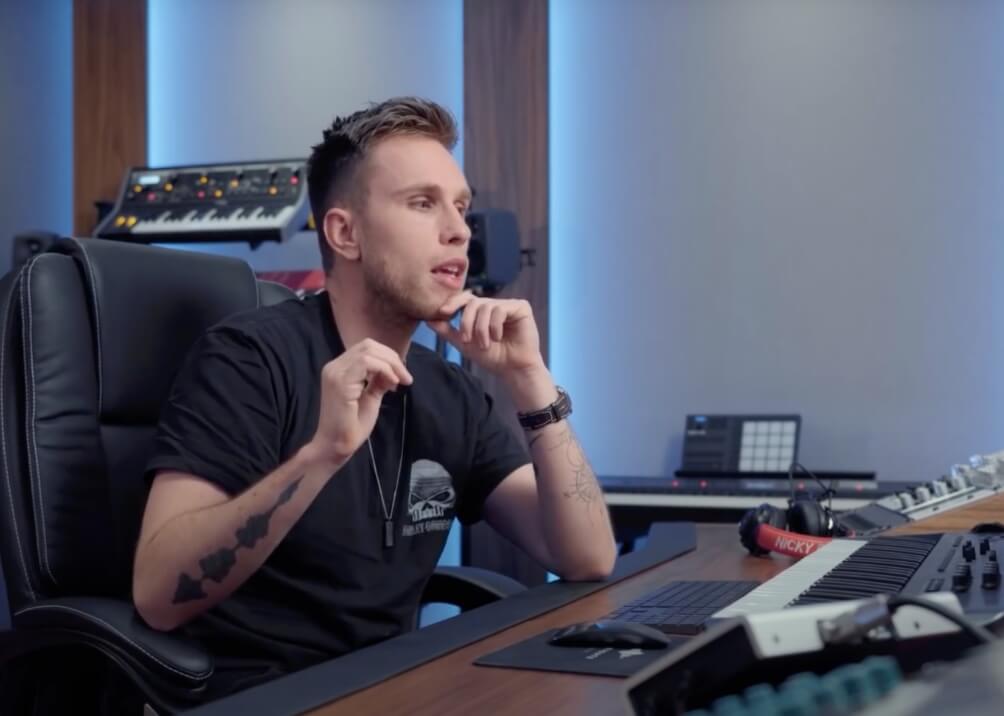

Use Kickstart in any DAW, for any style of music. EDM, trap, house, hip-hop, techno, DnB, and beyond
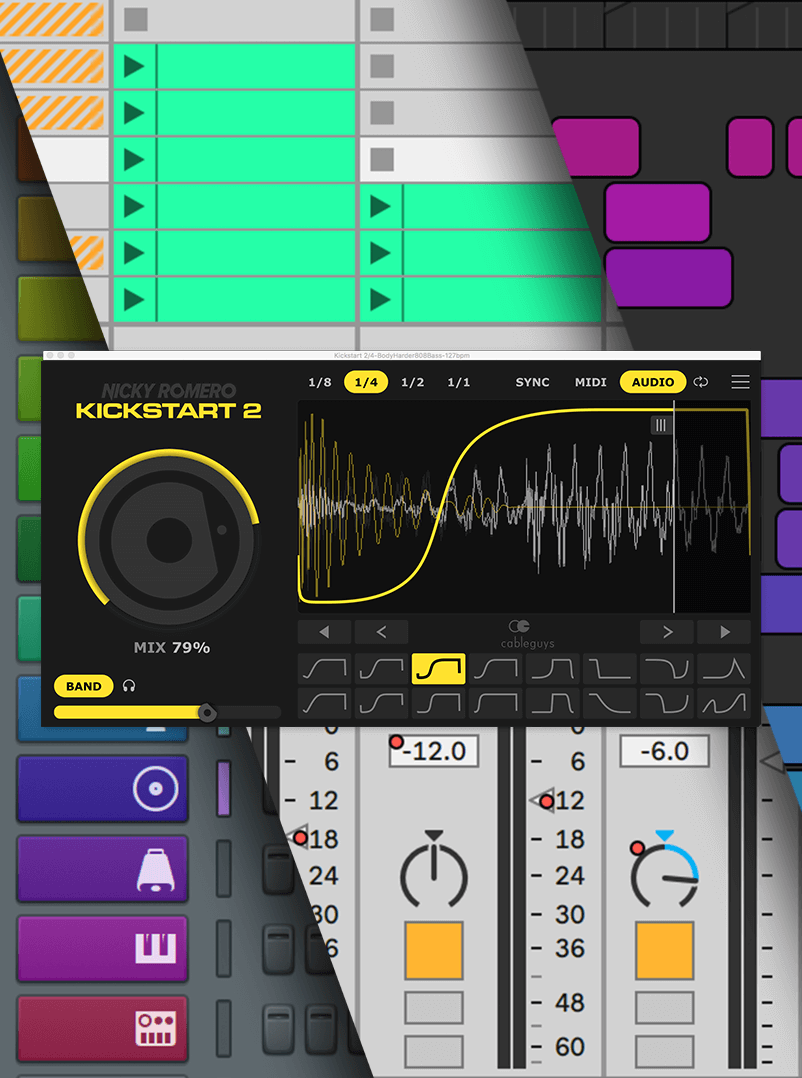
Add Kickstart – instantly get sidechain ducking, with no setup
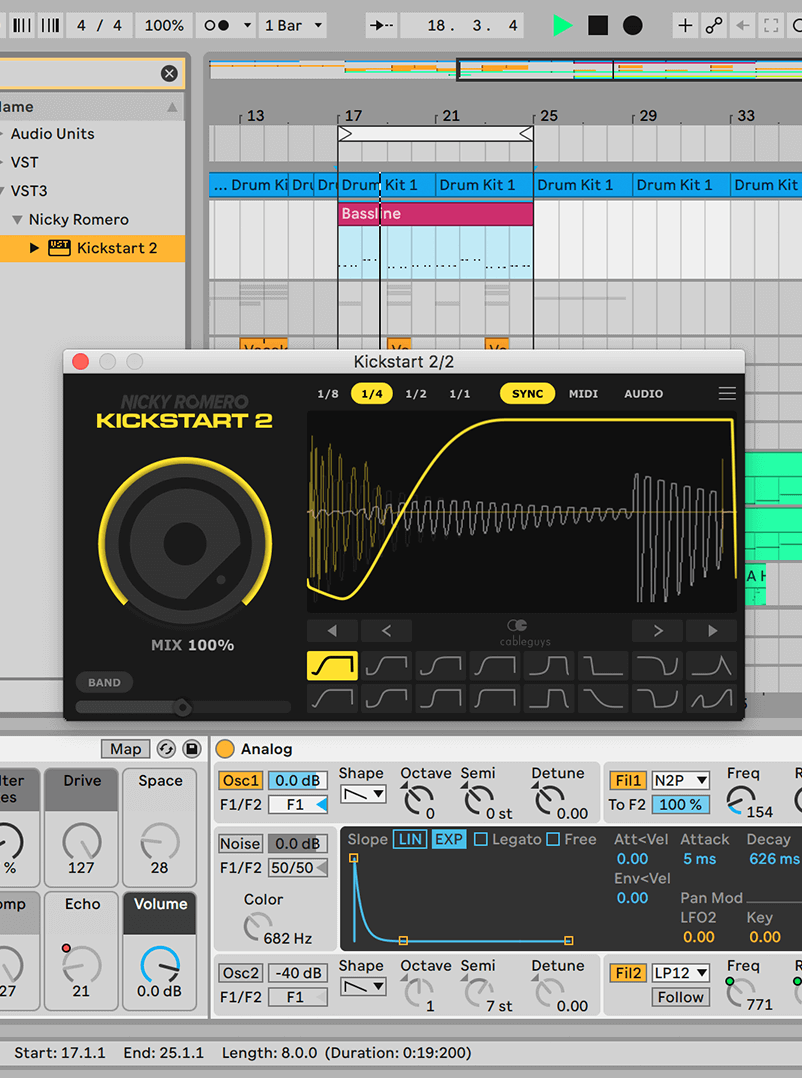
The exact curves Nicky Romero uses to get tracks sounding massive in the club A reliable Kad network depends on healthy node
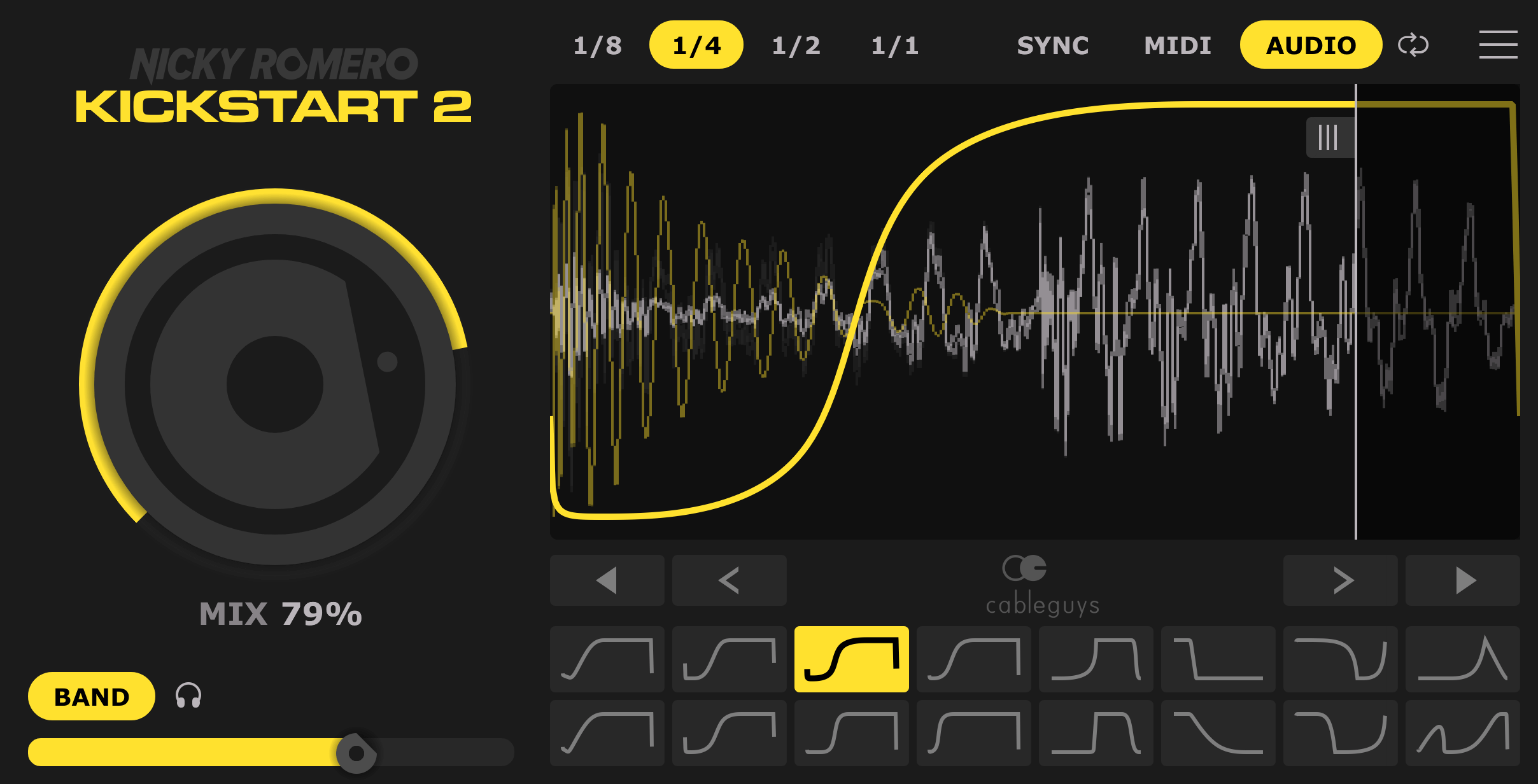
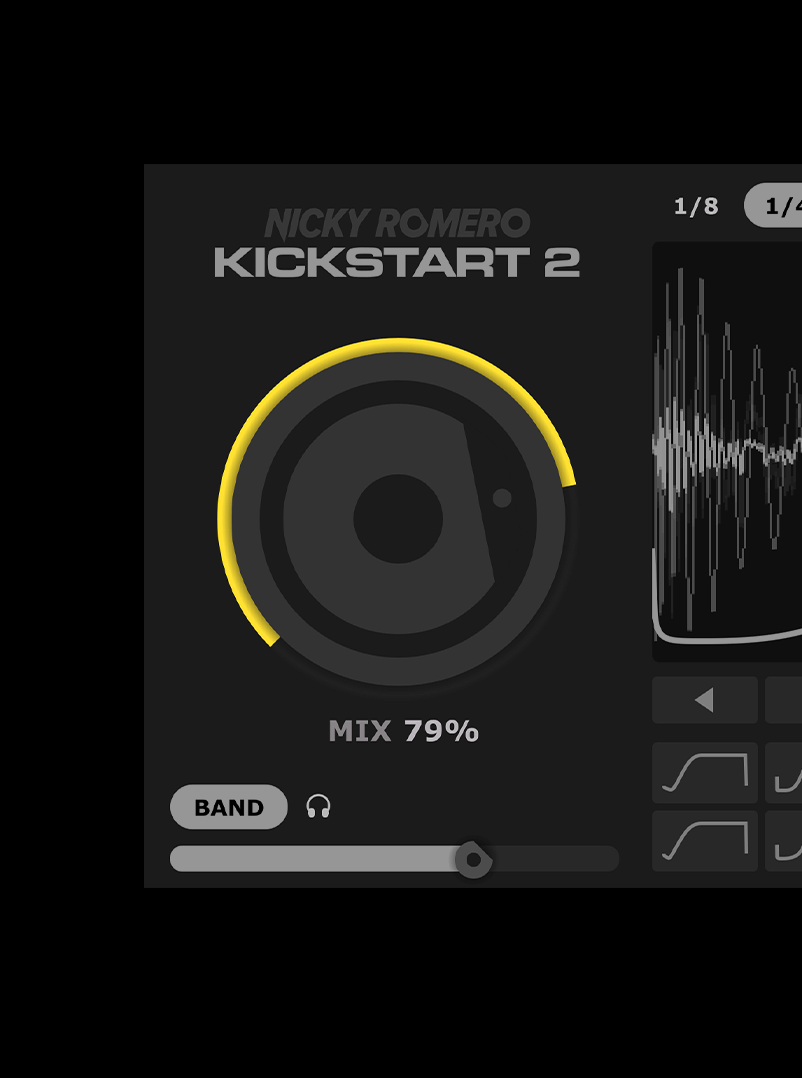
Easily adjust the strength of the sidechain effect to fit any mix
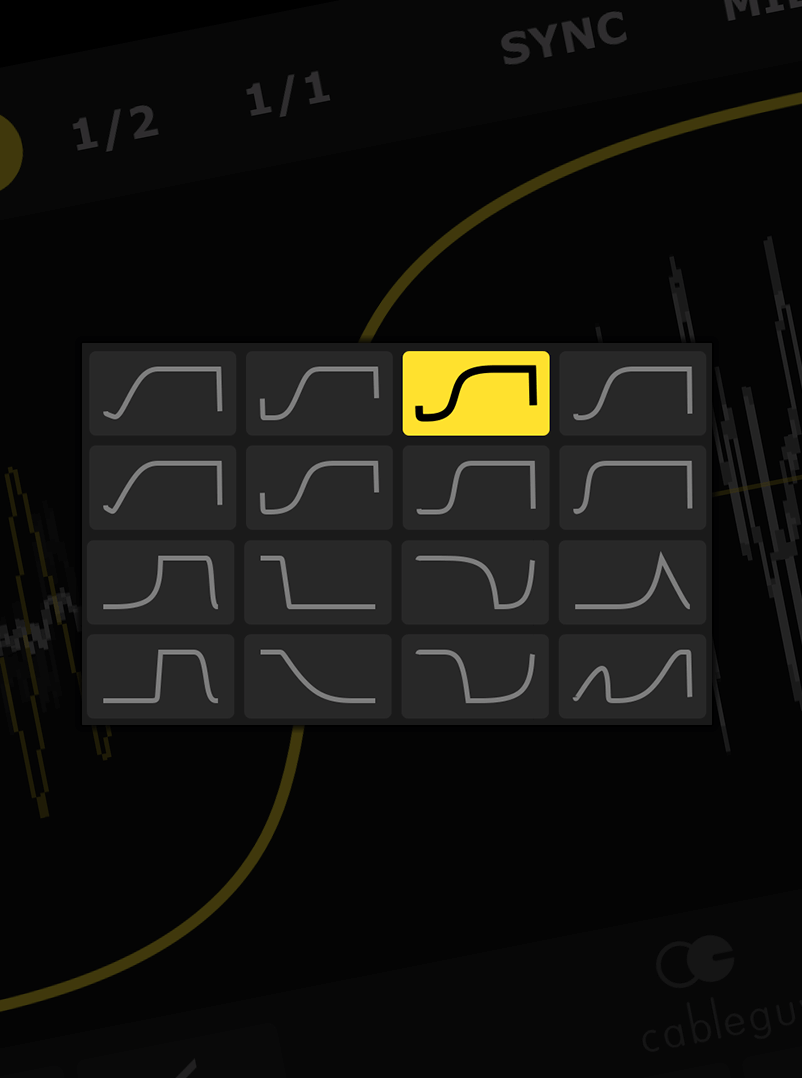
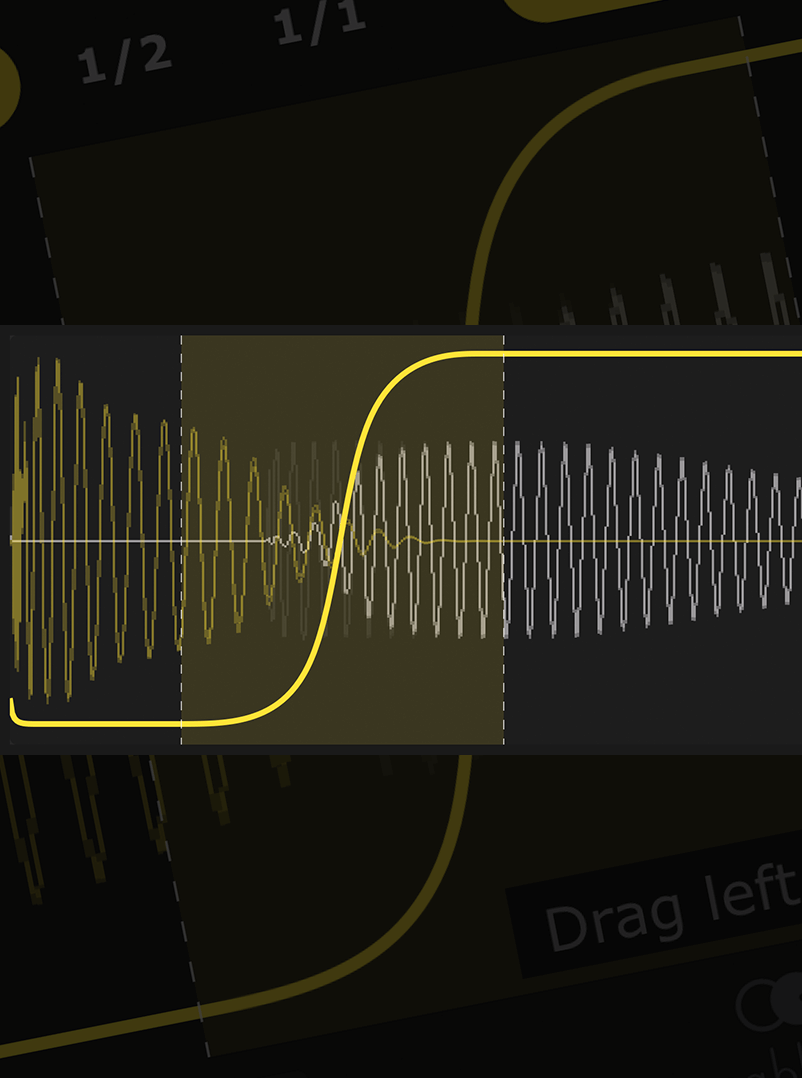
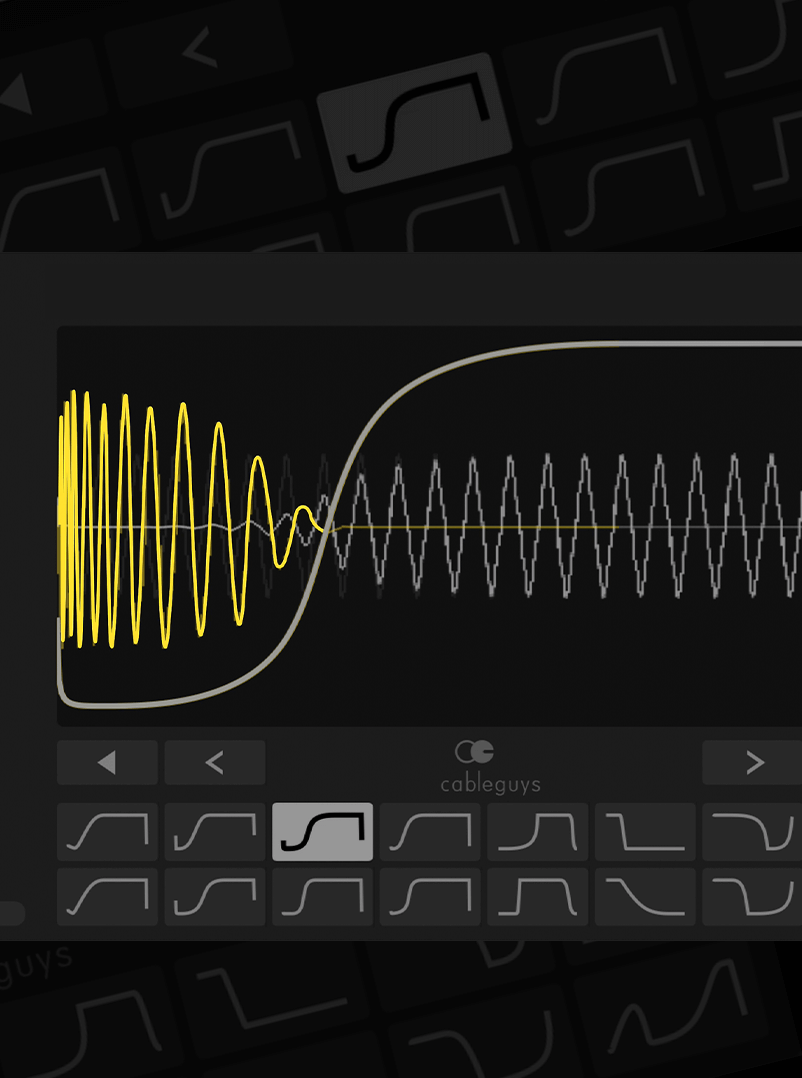
Forget complex editing tools – just drag the curve to fit any kick, long or short
Kick not 4/4? No problem – Kickstart follows any kick pattern with new Cableguys audio triggering Conclusion There is no universally “best” static server
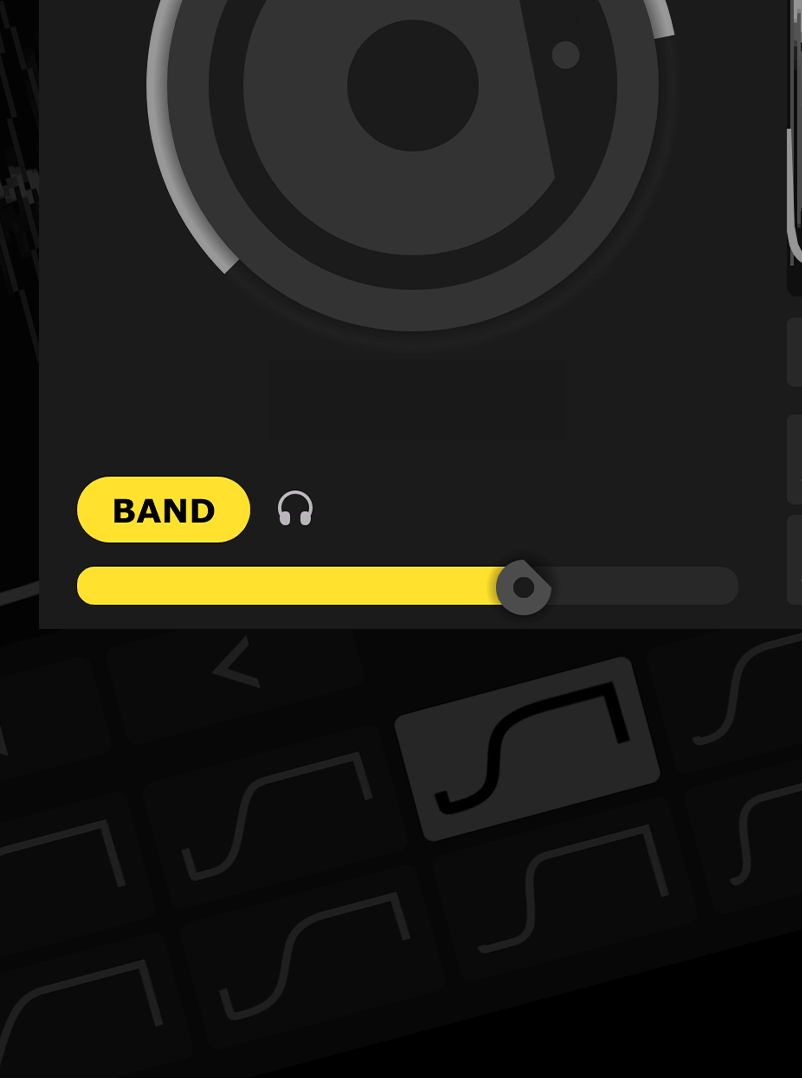
Easily duck only the lows of your bassline – the pros’ secret trick for tight bass with full frequencies
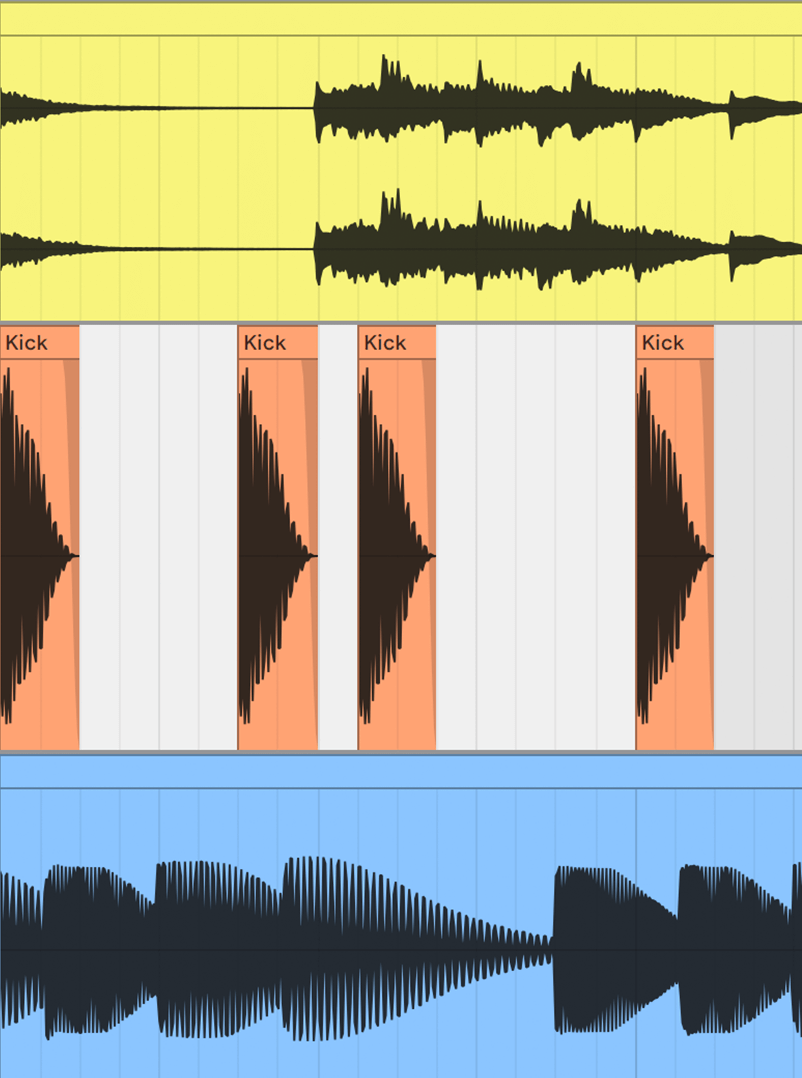
See kick and bass waveforms on the same display – get your lows locked tight like never before
A reliable Kad network depends on healthy node participation and correct routing information (known as nodes.dat in eMule). Newer clients typically bootstrap Kad by using known contact nodes (hardcoded or provided as a nodes.dat file) or by querying eDonkey servers for peers and then switching to Kad. Because servers and public node lists change frequently and some lists contain malicious or poisoned entries, finding a safe, up‑to‑date “best” list is inherently transient and risky.
eMule is a long-running peer-to-peer file‑sharing client that supports two complementary network modes: the centralized server-based eDonkey (server list) network and the decentralized Kademlia (Kad) network. The Kad network uses a distributed hash table (DHT) so clients can find sources without relying on central servers. Over time many public eDonkey servers were shut down or became unreliable, which increased the importance of Kad for maintaining connectivity and search resilience.
Conclusion There is no universally “best” static server or Kad list because network conditions and node availability change constantly. Rely on current, community‑vetted sources for bootstrap nodes, keep your client updated, run Kad primarily, and treat public server lists cautiously to reduce security and reliability risks.