 DataSheet

Award Winning Solutions
Xena has won multiple global awards for price/performance and technical innovation. Learn more.

Technical Expertise
Copyright © 2009-2026 Teledyne LeCroy Xena ApS, Denmark
The consequences of violence against nurses extend beyond the individual, affecting healthcare systems as a whole. High levels of stress and burnout can lead to decreased job satisfaction, increased turnover rates among nursing staff, and compromised patient care. Furthermore, violence in the workplace can undermine the quality of care provided, creating a toxic environment that is detrimental to both healthcare workers and patients.
The safety of healthcare workers, particularly nurses, has become a significant concern globally. Nurses often find themselves at the frontline of patient care, providing compassionate and dedicated service. However, their work environment is sometimes marred by violence and aggression from patients or their families. This issue has gained attention in recent years, highlighting the need for safer work environments and effective strategies to prevent such incidents. The consequences of violence against nurses extend beyond
Studies and reports from various countries indicate that violence against nurses is a widespread problem. Nurses are frequently exposed to verbal and physical abuse, with many incidents going unreported. The reasons behind such behavior can vary, including patient frustration, substance abuse, or mental health issues. The impact on nurses can be profound, leading to stress, burnout, and in some cases, post-traumatic stress disorder (PTSD). The safety of healthcare workers, particularly nurses, has
The issue of violence against nurses by patients is a complex problem that requires a multifaceted approach. By understanding the scope of the problem, its consequences, and implementing effective strategies for prevention and support, healthcare institutions can work towards creating safer work environments. It is essential to prioritize the safety and well-being of nurses and other healthcare workers, as they are vital to delivering high-quality patient care. This issue has gained attention in recent years,
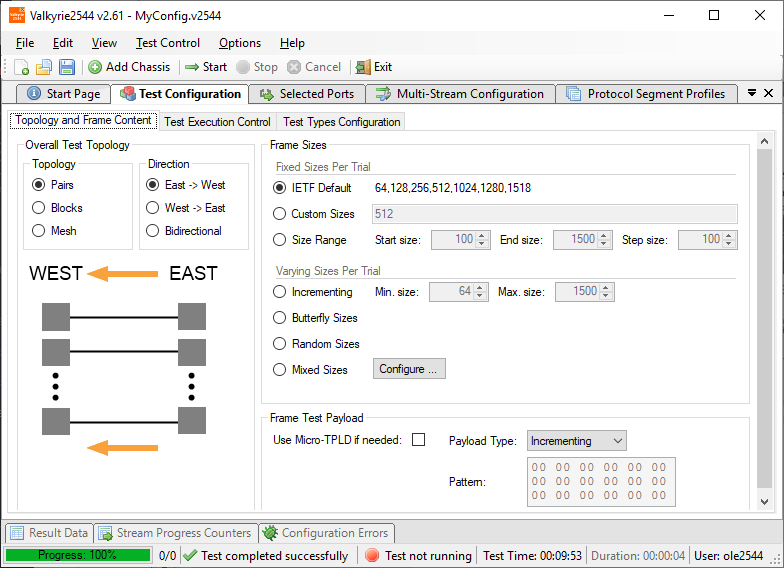
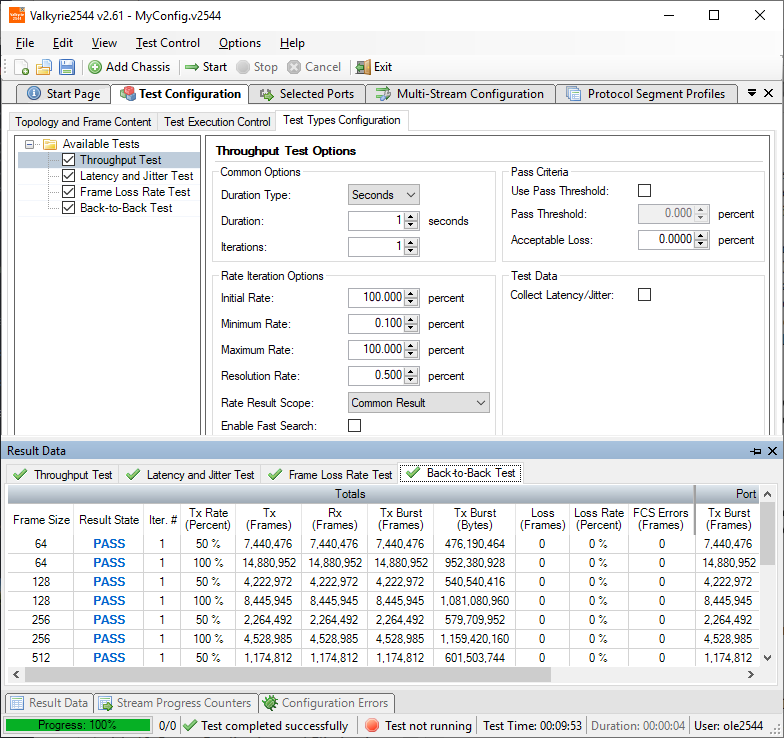
– Throughput
– Latency (FIFO, and LILO) for store-and-forward and cut-through DUTs
– Frame loss
– Back-to-back frames
– Ethernet,VLAN, Q-in-Q, MPLS, IPv4 and IPv6 frame support
– Automatic learning packets
– Custom field setting for any protocol
– Forwarding, including throughput and forwarding rates with a 16ns resolution
– Configurable maximum test rates
– L2 learning
– Repeat count
– Frame sizes same as stream
– Per test, per trial and per frame size learning
– Up to 5 chassis, 72 ports
– Full mesh, one-to-one, one-to-many, many-to-many
– Multi-port pair definitions, East/West
– Uni-directional or bi-directional testing
– Testing between any combination of port-speeds
Reports are available in PDF and .xml format.
All Xena testers and all port speeds.
Test configuration files can be executed via CLI. Linux also supported via Mono framework.
Xena has won multiple global awards for price/performance and technical innovation. Learn more.
Copyright © 2009-2026 Teledyne LeCroy Xena ApS, Denmark