Your browser is out of date. Please consider using a different browser to ensure full functionality of the NAV CANADA website.
Prince Of Persia Sands Of Time No Cd Crack Portable __top__ May 2026
The communities surrounding "Prince of Persia: The Sands of Time" no-CD cracks and portable versions were largely driven by enthusiasts and fans of the game. These communities shared and discussed cracks, patches, and portable versions, often through online forums, peer-to-peer networks, or dedicated websites.
The widespread use of no-CD cracks and portable versions of "Prince of Persia: The Sands of Time" raises questions about game piracy, intellectual property, and the games industry. While some argue that these practices deprive game developers of revenue, others see them as a form of community engagement and a testament to the game's enduring popularity.
The iconic game "Prince of Persia: The Sands of Time" - a title that has captivated gamers with its intricate storyline, breathtaking visuals, and innovative gameplay mechanics. Released in 2003, this action-adventure game was developed by Ubisoft Montreal and published by Ubisoft. The game's critical acclaim and commercial success led to a devoted fan base, with some enthusiasts seeking alternative ways to experience the game. This essay will explore the phenomenon of "Prince of Persia: The Sands of Time" no-CD cracks and portable versions, highlighting the context, implications, and nostalgia surrounding these unofficial adaptations.
The "Prince of Persia: The Sands of Time" portable version phenomenon was largely driven by the game's popularity and the desire to experience its critically acclaimed gameplay on portable devices. Using various tools and software, enthusiasts managed to create portable versions of the game, often optimized for lower-end hardware. These portable versions allowed gamers to play the game on laptops, handheld consoles, or even PDAs (Personal Digital Assistants).
The concept of portable versions of games gained significant traction in the early 2000s, particularly with the rise of handheld consoles like the Game Boy Advance and the increasing popularity of laptop computers. Gamers began seeking ways to play their favorite titles on-the-go, without being tethered to their desktop computers.
Directing Safe Flights Across Canada
Air traffic controllers are responsible for keeping flights safe and efficient across the nation, 24/7. Operating from control towers at airports and in front of radar screens in area control centres, they’re responsible for overseeing 18 million square kilometres of airspace. They adhere to strict protocols and issue precise instructions to ensure the safe movement of aircraft in the air and on the ground.
At an airport with a control tower, the pilot contacts a tower controller to obtain clearance to move from their gate to their assigned runway, via a specific path. That same controller, or a teammate, will then give takeoff clearance when the runway and airspace are clear and it is safe to do so.
Enroute
As an aircraft travels over land or sea, and at various altitudes, the airplane may pass through different pieces of airspace. Airspace is divided up into sectors. As your plane passes from one to the other, or climbs into high level airspace, it is monitored on radar screens and control is passed from one controller to another.
Descent
When a plane approaches its destination, high or low level controllers instruct the pilot on safe descent routes. The air traffic controller ensures the plane has a safe separation distance from other aircraft approaching the airport.
Approach
Low level or terminal air traffic controllers issue instructions to the pilot to line the airplane up with the runway so they are in the correct position to land.
Landing
Tower controllers issue landing and taxi clearance to get the aircraft to its parking position at the airport.
Map
Satelite
Émilie Lacombe
Air Traffic Controller, Montreal, Quebec
“I love that every day is different and things move quickly. I work with a team that is very passionate about what they do, and I know that I can count on them for support no matter what challenges come our way.”
Raelene Crowe
Air Traffic Control Unit Operations Specialist, St. John’s, Newfoundland and Labrador
“Air Traffic Control is a dynamic, rewarding and sometimes challenging career. As a tower supervisor, I provide support to staff and management, helping keep our operations running smoothly.”
Michael Lemoine
Air Traffic Controller, Edmonton, Alberta
“This is a great job—it’s stimulating, rewarding, and I’m well compensated. I get to look out the window and watch some impressive aircraft in action. I feel very fortunate to have found a career like this.”
Catherine LeBlanc
Air Traffic Controller, Montreal, Quebec
"One of the things I enjoy most about my job is that at the end of the workday I can unplug and leave work at work, giving me the freedom to focus on my hobbies, family, friends, and other commitments."
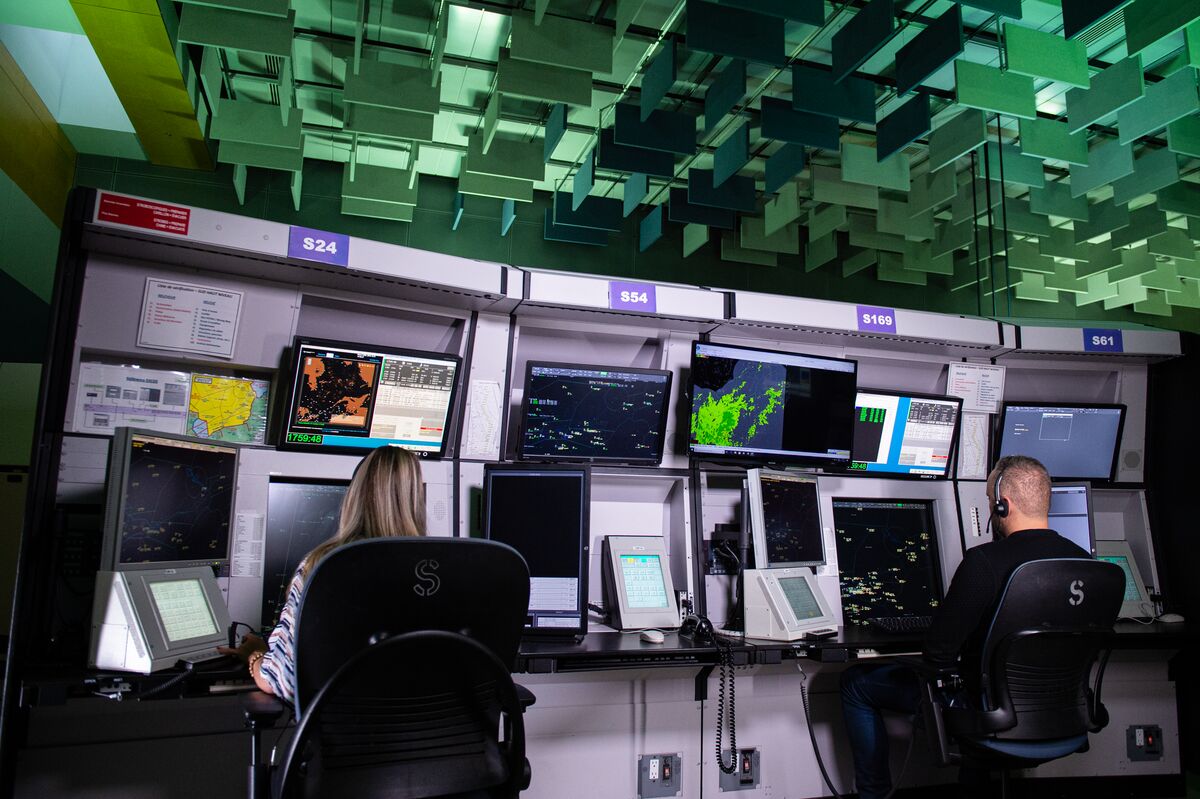
Two air traffic controllers work in an area control centre in Montreal, Quebec.
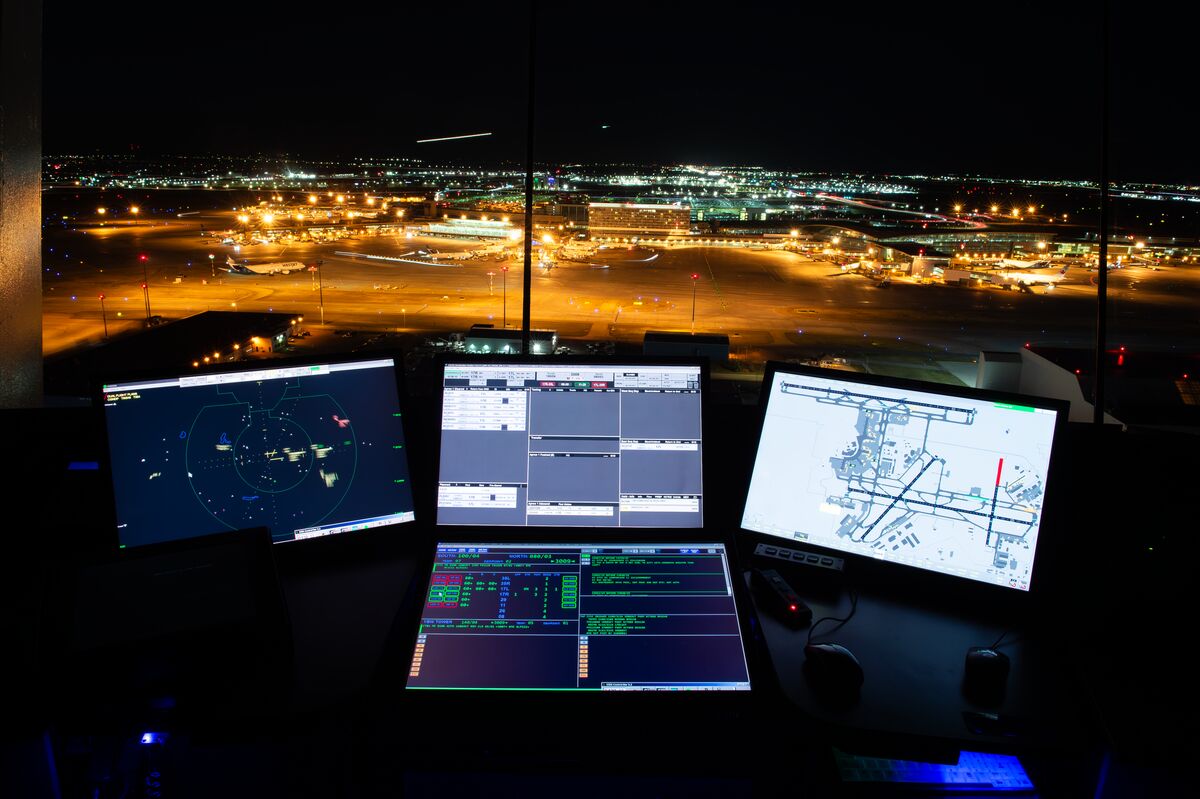
An air traffic control work station at NAV CANADA's tower in Calgary, Alberta.
NAV CANADA's flight inspection aircraft passes by the air traffic control tower at Vancouver International Airport.
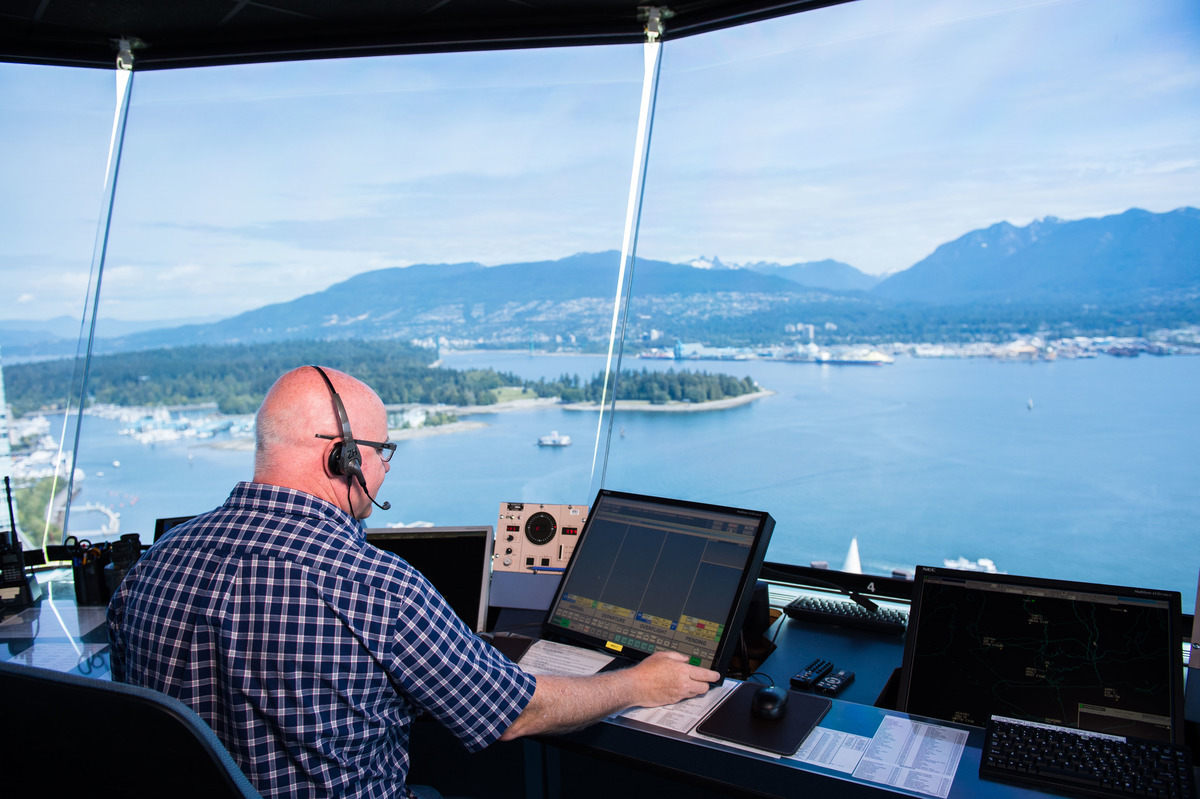
An air traffic controller speaks with pilots from a harbor flight centre.
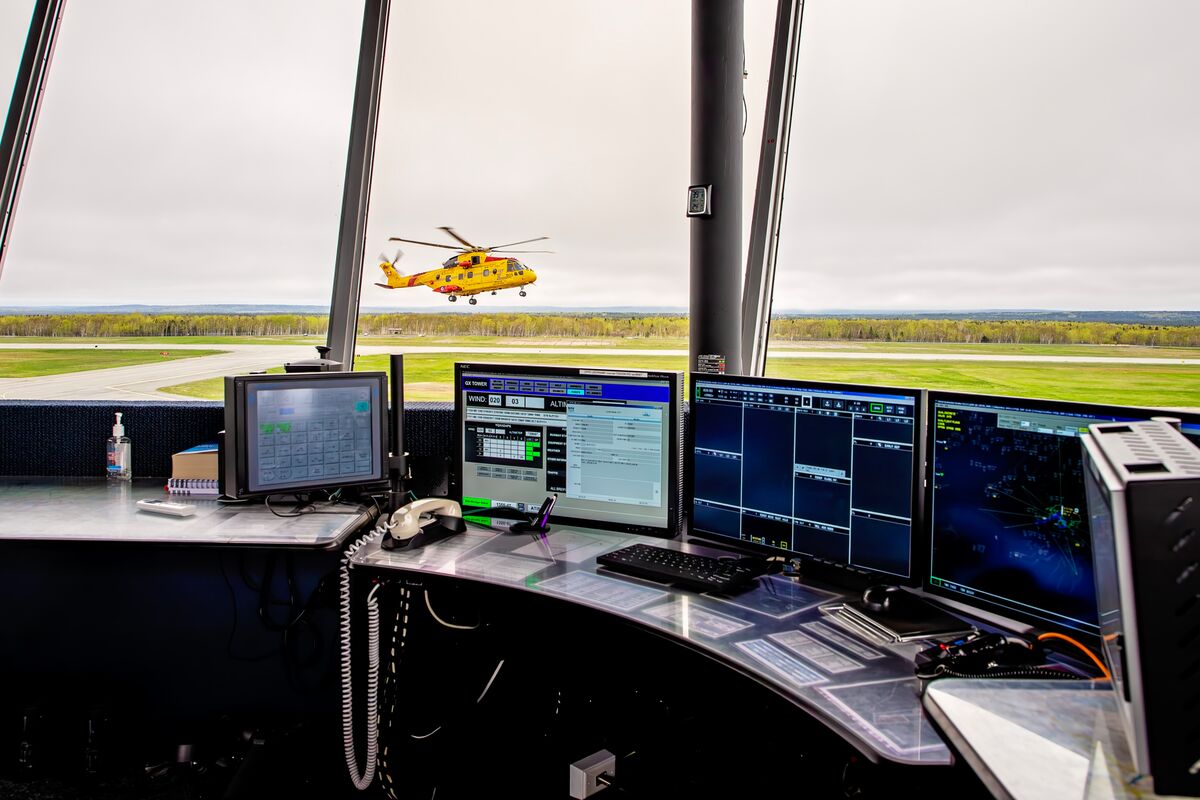
View from the Gander air traffic control tower in Gander, Newfoundland and Labrador.
An air traffic controller observes aircraft from a tower.
The communities surrounding "Prince of Persia: The Sands of Time" no-CD cracks and portable versions were largely driven by enthusiasts and fans of the game. These communities shared and discussed cracks, patches, and portable versions, often through online forums, peer-to-peer networks, or dedicated websites.
The widespread use of no-CD cracks and portable versions of "Prince of Persia: The Sands of Time" raises questions about game piracy, intellectual property, and the games industry. While some argue that these practices deprive game developers of revenue, others see them as a form of community engagement and a testament to the game's enduring popularity.
The iconic game "Prince of Persia: The Sands of Time" - a title that has captivated gamers with its intricate storyline, breathtaking visuals, and innovative gameplay mechanics. Released in 2003, this action-adventure game was developed by Ubisoft Montreal and published by Ubisoft. The game's critical acclaim and commercial success led to a devoted fan base, with some enthusiasts seeking alternative ways to experience the game. This essay will explore the phenomenon of "Prince of Persia: The Sands of Time" no-CD cracks and portable versions, highlighting the context, implications, and nostalgia surrounding these unofficial adaptations.
The "Prince of Persia: The Sands of Time" portable version phenomenon was largely driven by the game's popularity and the desire to experience its critically acclaimed gameplay on portable devices. Using various tools and software, enthusiasts managed to create portable versions of the game, often optimized for lower-end hardware. These portable versions allowed gamers to play the game on laptops, handheld consoles, or even PDAs (Personal Digital Assistants).
The concept of portable versions of games gained significant traction in the early 2000s, particularly with the rise of handheld consoles like the Game Boy Advance and the increasing popularity of laptop computers. Gamers began seeking ways to play their favorite titles on-the-go, without being tethered to their desktop computers.
Frequently Asked Questions
Read frequently asked questions about careers in air traffic services.