




Esmon es una editorial dedicada a la comunicación y al marketing en ciencias de la salud. Durante más de 50 años se ha especializado en el desarrollo de contenidos científicos de calidad con el formato que más se adapte a las necesidades de nuestros clientes y aportando el diseño más adecuado para cada proyecto.
El equipo de profesionales de Esmon se dedica a la creación de proyectos editoriales a medida, de una forma efectiva gracias a su experiencia en el sector. La estrecha relación que mantiene con los profesionales de la salud garantiza un alto nivel científico en todos los trabajos.
Tanto la industria farmacéutica, como las sociedades médicas, y en definitiva todas aquellas personas a las que dirigimos nuestros proyectos confían en la profesionalidad de Esmon. Nuestro principal objetivo es el desarrollo de actividades científicas y formativas entre otras, ofreciendo siempre en este proceso creatividad e información rigurosa y actualizada.
Need to structure the response with sections: what it is, how to identify, steps to remove if malicious, prevention tips. Avoid technical jargon where possible. Maybe include a note about not ending processes without knowing what they do, to prevent system instability.
Wait, also consider that sometimes legitimate programs like game launchers (Eg. Steam, Origin) might have their own installers with such names. The user should check if they downloaded any software recently that might have created this file. If unsure, removing it through a trusted method is advised.
I should check if this is a known malicious file. Sometimes, malware uses such random alphanumeric names to avoid detection. I'll think about tools like VirusTotal where users can upload files to check their reputation. Maybe if I remember any reports of similar files, but I should also consider that the user might have a legitimate file that's been mislabeled.
Another angle: the "Sp46134.exe" could be part of a software package. Sometimes installers generate temporary files with random names during installation. If the user is experiencing issues with it, they might need to verify the source. If it's from a trusted software, maybe it's safe. Otherwise, it's probably malware.
I should outline steps the user can take: scanning with antivirus, using Task Manager to check CPU usage, looking for the file's directory in the system. Also, mention safe removal methods like using Windows Defender or other antivirus tools. It's important to warn about not disabling critical system processes and to guide them to official resources if they need help.
Make sure the response isn't alarmist but informative. Emphasize verifying the source, using reputable tools, and understanding the risks of unknown executables. Also, maybe mention registry cleaners or system file checkers if the user suspects system corruption, but that might be beyond basic steps.

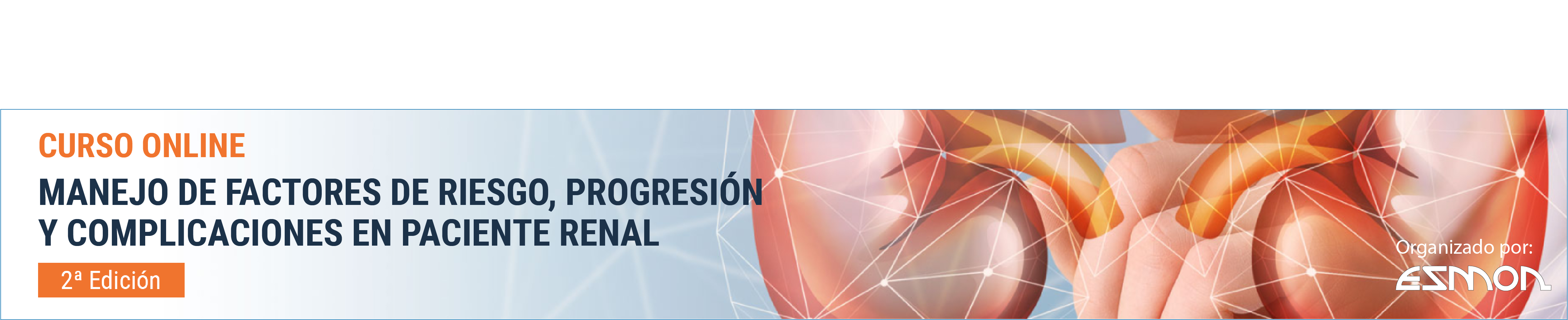
Fecha de inicio: 16 de junio de 2025
Fecha de finalización: 15 de junio de 2026


Fecha de finalización: 12 de enero de 2026
Fecha de finalización: 24 de julio de 2025

Fecha de finalización: 26 de mayo de 2025

Fecha de finalización: 30 de junio de 2024

Fecha de finalización: 14 de junio de 2024 Sp46134.exe

Fecha de finalización: 14 de mayo de 2024

Fecha de finalización: 26 de febrero de 2024

Fecha de finalización: 19 de junio de 2023

Fecha de finalización: 12 de junio de 2023 Need to structure the response with sections: what

Fecha de finalización: 12 de junio de 2023

Fecha de finalización: 31 de marzo de 2023

Fecha de finalización: 14 de marzo de 2023

Fecha de finalización: 14 de marzo de 2023 Wait, also consider that sometimes legitimate programs like

Fecha de finalización: 14 de febrero de 2023

Fecha de finalización: 31 de enero de 2023

Fecha de finalización: 05 de enero de 2023

Fecha de finalización: 14 de noviembre de 2022

Fecha de finalización: 14 de abril de 2022




























Balmes, 209 3º 2ª
08006 Barcelona (Spain)

Lunes a Jueves de 9 a 18 h
Viernes de 9 a 15 h

Teléfono +34 93 215 90 34
Fax +34 93 487 40 64
Need to structure the response with sections: what it is, how to identify, steps to remove if malicious, prevention tips. Avoid technical jargon where possible. Maybe include a note about not ending processes without knowing what they do, to prevent system instability.
Wait, also consider that sometimes legitimate programs like game launchers (Eg. Steam, Origin) might have their own installers with such names. The user should check if they downloaded any software recently that might have created this file. If unsure, removing it through a trusted method is advised.
I should check if this is a known malicious file. Sometimes, malware uses such random alphanumeric names to avoid detection. I'll think about tools like VirusTotal where users can upload files to check their reputation. Maybe if I remember any reports of similar files, but I should also consider that the user might have a legitimate file that's been mislabeled.
Another angle: the "Sp46134.exe" could be part of a software package. Sometimes installers generate temporary files with random names during installation. If the user is experiencing issues with it, they might need to verify the source. If it's from a trusted software, maybe it's safe. Otherwise, it's probably malware.
I should outline steps the user can take: scanning with antivirus, using Task Manager to check CPU usage, looking for the file's directory in the system. Also, mention safe removal methods like using Windows Defender or other antivirus tools. It's important to warn about not disabling critical system processes and to guide them to official resources if they need help.
Make sure the response isn't alarmist but informative. Emphasize verifying the source, using reputable tools, and understanding the risks of unknown executables. Also, maybe mention registry cleaners or system file checkers if the user suspects system corruption, but that might be beyond basic steps.